Investigative Report: The Shanghai Backchannel; The Hidden Vein of Oil Money Laundering and Crony Diplomacy
Introduction While international sanctions have crippled the Iranian economy and endangered the livelihoods of millions, a sophisticated and under-reported network of oil brokers, well-connected individuals (”Aghazadeh”), and diplomatic officials in China has created a safe haven for money laundering and generating astronomical profits. This report, focusing on the metropolis of Shanghai, unveils the clandestine activities directly plundering Iran’s national wealth.

Arash Estilaf and father
1. The Estilaf Financial Arterial: Laundering Oil under Motalefeh’s Shadow
According to collected information, the most critical operational figure in this network is Omid Estilaf. Operating as the manager of his family’s company in Shanghai, he moves within the shadows of the smuggling economy, in contrast to his brother’s exhibitionist public persona. Omid Estilaf is not a regular businessman but a “financial facilitator” for the Asgaroladi clan and the Motalefeh Islamic Coalition Party in China.
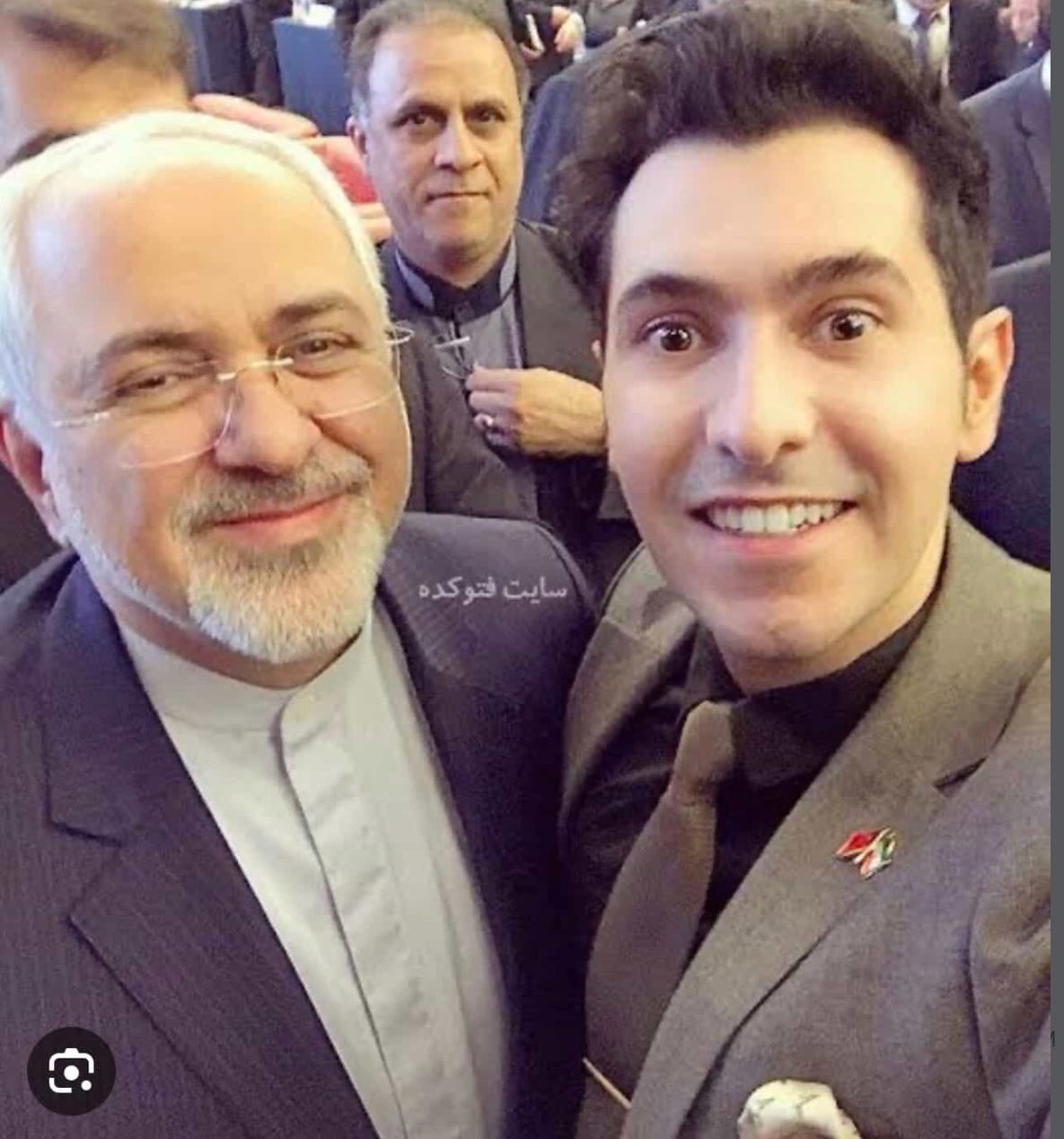
Arash Estilaf and Javad Zarif
His primary responsibilities in this structure include:
-
Oil Marketing: Locating small, independent Chinese refineries (often called “Teapots”) willing to purchase heavily discounted, sanctioned Iranian oil.
-
Financial Laundering Infrastructure: Establishing front companies and using multiple bank accounts to whiten the currency gained from oil sales.
-
Crony Import Management: Converting the smuggling proceeds into goods for specific entities and commercial brands linked to Iran’s power network. For instance, the brand “Hakopian” reportedly sourced goods through Omid Estilaf’s network in China.
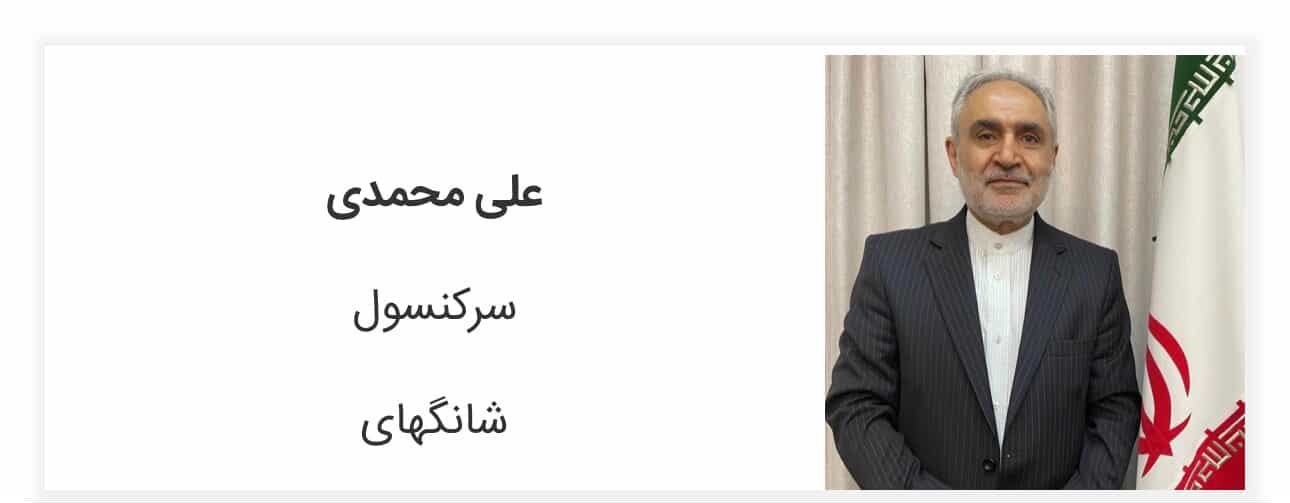
Ali Mohammadi, Consul General of the Islamic Republic of Iran in Shanghai
2. Diplomacy at the Service of Smuggling: The Crisis at the Shanghai Consulate
Economic corruption is impossible without lobbying and administrative support. In Shanghai, this support is directly provided by the Iranian Consulate-General. Reports indicate that the Consul-General of Iran in Shanghai, who resides in a villa with an astronomical monthly rent of 70,000 Yuan (equivalent to $10,000 USD), has practically become an administrative errand boy for the Estilaf network, neglecting his diplomatic duties.
This administrative crisis has led to:
-
Passport issuance and renewal machinery at the consulate are rendered inoperable under baseless excuses like “malfunctioning,” causing severe problems for Iranian students and residents.
-
The consulate becoming a den of familial corruption, where the couple Hedayat-Panah and Rastegar receive Euro salaries while living in consulate staff housing.
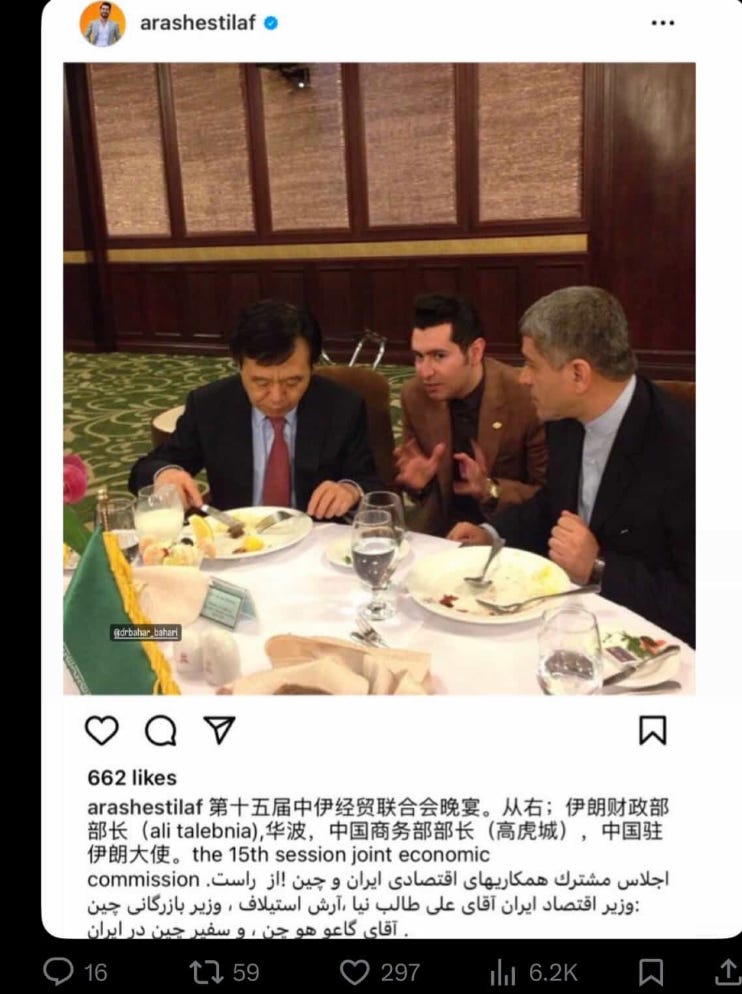
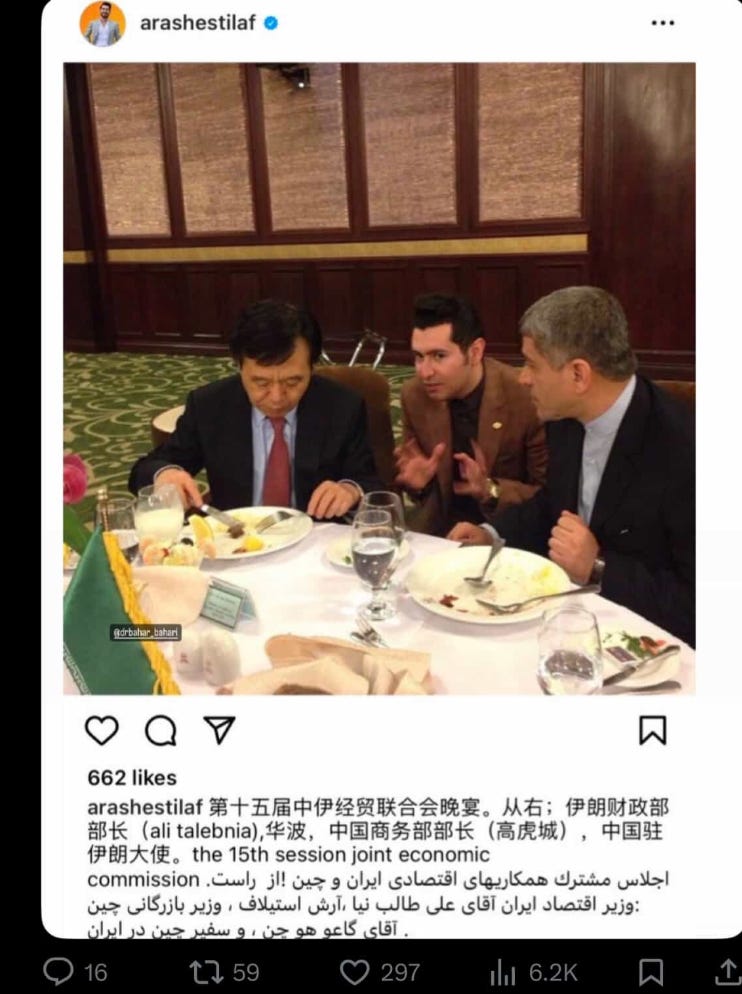
Arash Estilaf in a meeting
3. Security Crackdown via Clerical Tools
The security component of this network involves the presence of individuals in clerical robes at the consulate, who serve as nothing more than spies and security informants. These individuals, acting as security “antennas,” monitor Iranian residents and students in virtual groups. In the event of any protest or criticism, they coordinate with Chinese police to confront and threaten individuals at their residences.
Conclusion The Shanghai network is a clear example of “systematic corruption,” where economic cronyism, state diplomacy, and security crackdown are intertwined to secure the interests of a specific group at the cost of destroying the national economy. Exposing names such as Omid Estilaf and responsible officials at the Shanghai Consulate is an essential step towards confronting this systematic plunder.