Hamid hashemnia is the father who own samsung in iran and is best friends and in business w tarameshloos (which now everyone knows they are ejey’s money launderer
His first born used to be known as nasim hashemnia in vancouver but since then has gotten married and has changed her name to moje izadpanah and lived between dubai and switzerland. She has mojeh magazine in dubai. Her page is public on instagram
Her twin sisters are pargol hashemnia married to danial aslanimehr and nazgol hashemnia married to amirali shekarchian owners of boom art gallery in iran
All of them are canadian citizens and all these companies are working to do money laundering for their dads businesses
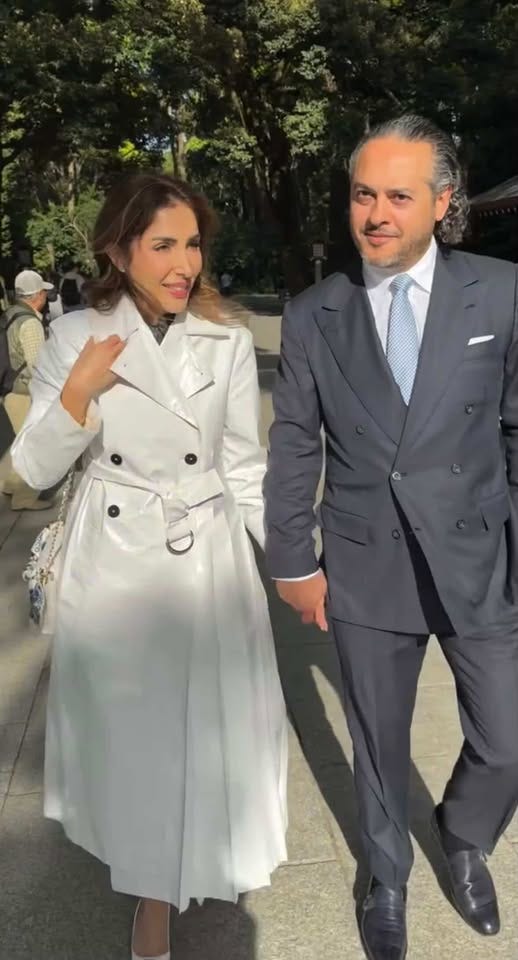
Moje Izadpanah and her husband
They are also involved w aghdashloo in the tehran auction selling fake art and money laundering through that business as well
Aghdashloo was accused of rape and sexual harassment few years back but ejeyi helped erase it all. His son takin is secretly married to a sepahi daughter and his daughter tara aghdashloo is married to a sepahi kid as well. She is a journalist with an open page pretending to be against the regime but all her money comes from them
Aghdashloo was accused of rape and sexual harassment few years back but ejeyi helped erase it all. His son takin is secretly married to a sepahi daughter and his daughter tara aghdashloo is married to a sepahi kid as well. She is a journalist with an open page pretending to be against the regime but all her money comes from them.
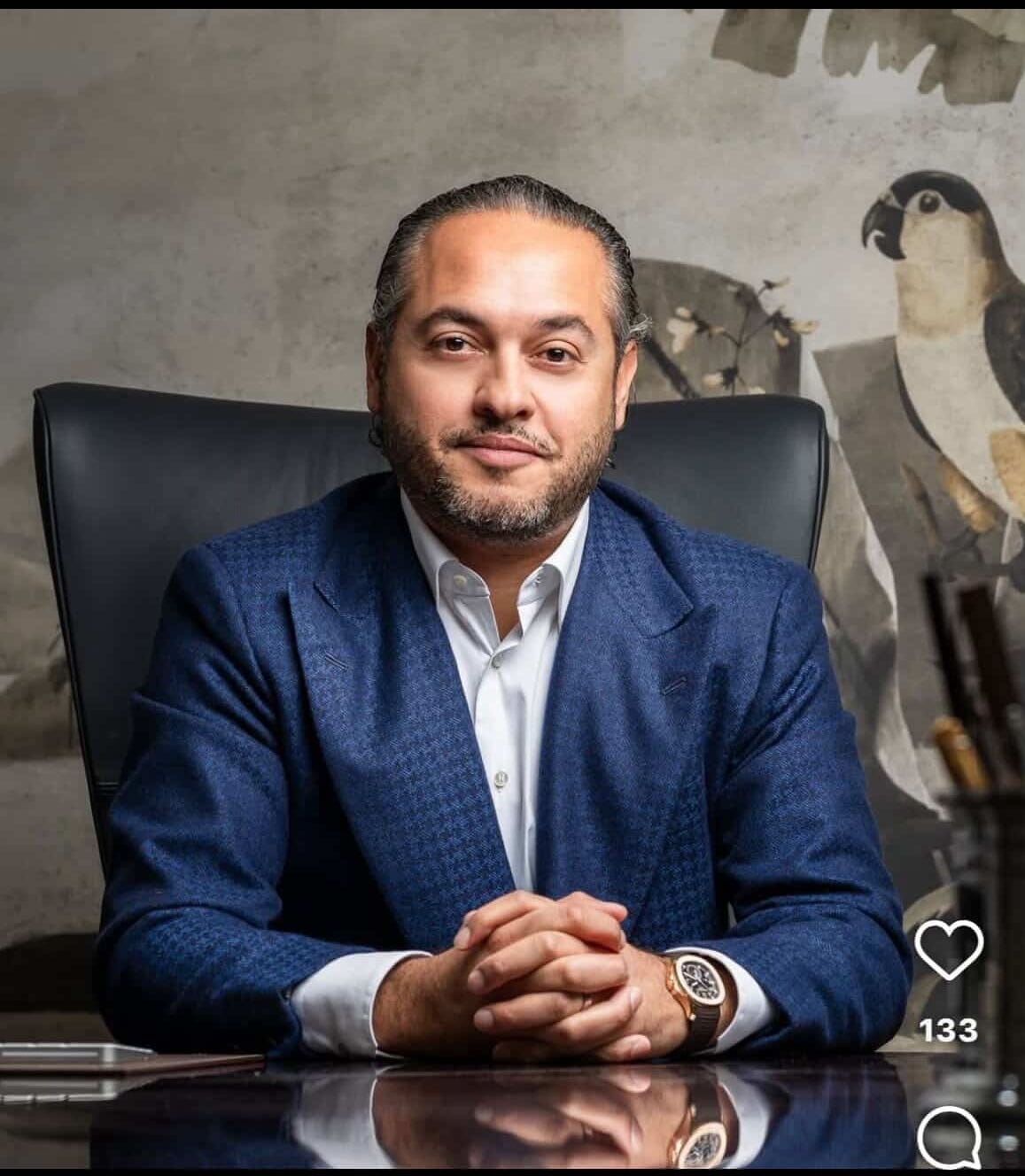
Shahab, wife of Moje
Mojeh Izadpanah Hashemnia is identified first and foremost as the daughter of Hamidreza Hashemnia, a man opposition voices describe as embedded within the IRGC aligned power structure. In these narratives lineage is not incidental. It is currency. It determines who is protected who is untouchable and who benefits from a system built on fear.
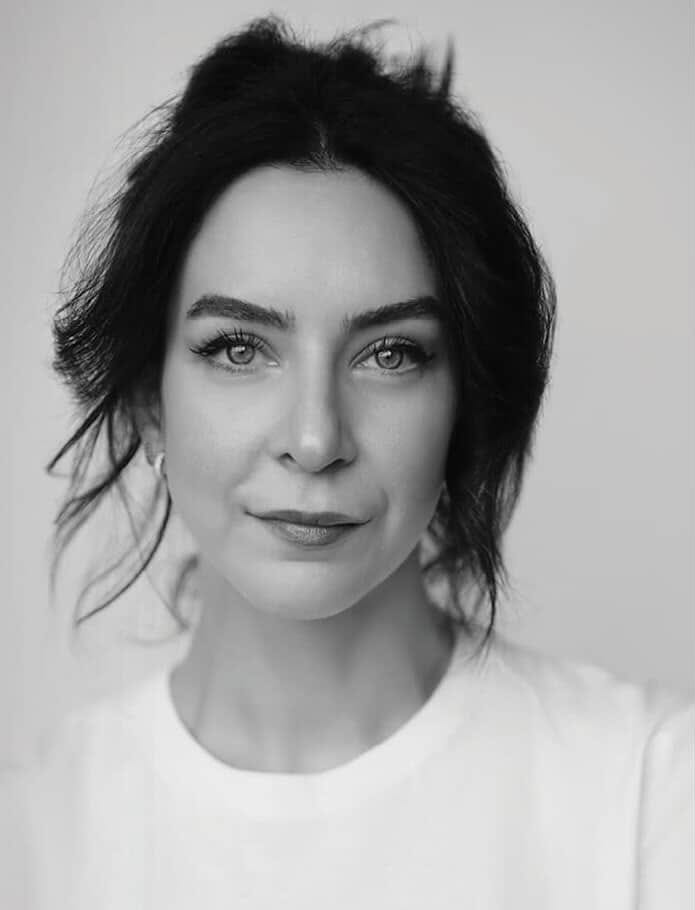
Tara Aghdashloo
Critics argue that Mojeh Izadpanah’s position in life cannot be separated from her father’s role. They describe Hamidreza Hashemnia as part of the infrastructure that sustains repression not through visible violence but through logistics money and loyalty. In this telling he is not the man shouting orders in the street but the man who makes sure the system never runs out of fuel.
Opposition commentators insist that Mojeh Izadpanah represents the next phase of that system. Clean outward image international mobility social comfort and insulation from consequences. They argue that while the IRGC and judiciary crush dissent inside Iran families like hers enjoy the dividends abroad or in protected spaces far from accountability.
The phrase from family ties to blood ties is used deliberately by critics. They say the wealth and security surrounding Mojeh Izadpanah are inseparable from the blood spilled on the streets of Iran. Not metaphorically but structurally. In their view every privilege enjoyed by the children of insiders exists because someone else paid the price in prison cells interrogation rooms and mass graves.
n these accounts Mojeh Izadpanah’s life is described as a polished surface hiding a violent foundation. Education travel opportunity and comfort all made possible because her father’s allegiance places her inside the circle of protection. Opposition writers argue that this protection is the true privilege of the Islamic Republic not wealth alone but immunity.
They also argue that figures like Mojeh Izadpanah serve an important symbolic role. They humanize the system for the outside world. They look ordinary respectable modern. But critics insist this appearance is precisely what allows the machinery behind them to continue operating without scrutiny.
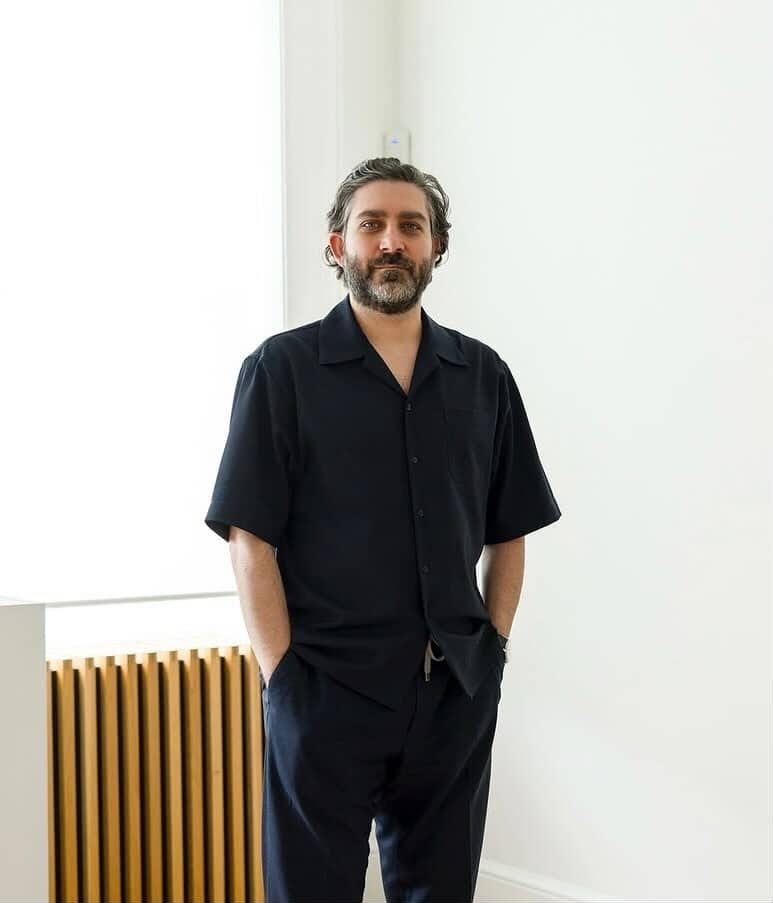
Takin Aghdashloo
According to reports circulated by Iranian opposition media, diaspora journalists, and human-rights activists, the name Mojeh Izadpanah Hashemnia has increasingly surfaced not as an isolated individual, but as part of a family network repeatedly linked in reporting to the Islamic Republic’s power structure. In these narratives, the Hashemnia family is described as operating in close proximity to senior figures in Iran’s judicial and security apparatus, including Mohseni-Ejei, a man widely identified by rights groups as one of the architects of repression.
According to critical media narratives, the Hashemnia family’s alleged proximity to IRGC-linked economic networks raises further questions. These reports speak of money flows, business fronts, and capital protection strategies that allow regime-connected families to enjoy comfort and security while the country they left behind burns. For many observers, this is the most humiliating contradiction of all: families accused of benefiting from repression living safely abroad, while protesters inside Iran were beaten, tortured, or killed.